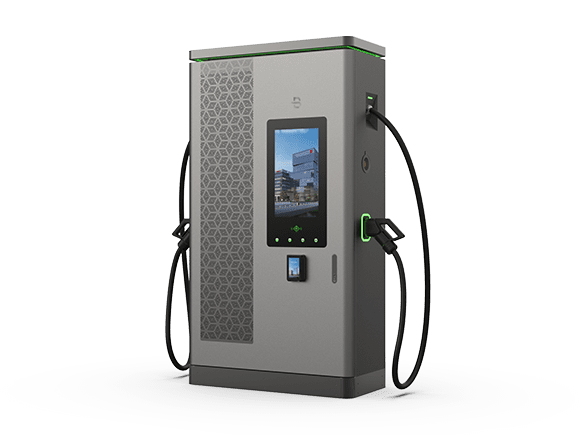
Tell hotel guests whether the charger has an attached cable, which vehicle connection it serves, and how they start a session before they travel. A message saying only “EV charging available” leaves three separate questions unanswered. Guests can arrive at a working charger and still be unable to use it because their cable, account or access permission is missing.
The useful deliverable is a short equipment and access card attached to the booking confirmation. Base it on the installed arrangement, and give reception the same information. It should describe what a guest needs to do, without promising a particular charging speed or a reserved space.
Describe the connection a driver will actually find
Start with the charging point’s location and identification. A hotel may have guest charging beside the main entrance, staff charging behind a barrier and a separate supply for a shuttle vehicle. “Next to the car park” will not distinguish them.
State whether the guest unit supplies alternating current, usually shortened to AC, or direct current, DC. Then name the connection and say whether a cable is attached. These details belong together. A socketed AC point may require the driver’s own compatible cable; a tethered unit has a cable attached. Neither description, on its own, establishes compatibility with every vehicle.
Ask the installer or operator to approve the wording against the actual equipment. Do not copy a connector list from a broad manufacturer catalogue and imply that every listed connector is present at the hotel.
Separate the cable requirement from permission to charge
A compatible cable gets the vehicle connected. Authorisation gets the session accepted. Explain the hotel’s actual method: reception-issued card, guest account, app, payment terminal or another supported process.
If registration is required, say when guests can complete it. If reception must issue a card, give the relevant opening hours and the arrangement for a late arrival. A system that requires a guest account should not be described as “just plug in”.
The different user groups shown in EVB’s hotel charging solution include overnight guests, staff and shuttle vehicles. That published distinction is useful when preparing arrival information: access prepared for an employee or hotel vehicle cannot simply be assumed to work for a new guest. It does not establish the authorisation method at a particular property.
Make the instructions work without a photograph search
Give the driver a recognisable route from the hotel entrance to the charging area. Include the car park level, entrance restriction and charging point label where relevant. An accurate photograph can support these instructions, but a photograph alone may be difficult to interpret after dark or from a different approach.
Use the same label on the arrival message, the equipment and reception’s records. If the charging app shows a different identifier, explain that relationship. Guests should not need to guess whether “Charger 2”, “Basement West” and a long platform number refer to the same equipment.
Offer an alternative way to receive instructions if a guest cannot use the preferred app or read the sign. Cable handling and access to the controls also deserve consideration; a connector being technically compatible does not make every installed layout easy to use.
Test one complete arrival message
Consider an illustrative hotel with socketed guest AC charging and reception-issued access cards. Its pre-arrival message might say that guests need a compatible charging cable, should collect the access card at reception, and should follow the signs to the lower car park. It would separately state the charging fee and parking conditions.
Have a staff member unfamiliar with the equipment follow that message from the normal guest entrance. Check whether the cable requirement is clear, the correct unit can be identified and the access process can be completed. Use an authorised test session if the operator permits it. A successful test with one vehicle does not establish compatibility with all vehicles.
Keep the card short and owned
The final card needs four groups of facts: equipment and cable, access and payment, arrival route, and the contact for assistance. Put detailed operating instructions elsewhere so that essential preparation remains visible.
Assign an owner and a review date. Recheck the card when equipment, the app, reception hours or the payment process changes. Booking staff can then give a consistent answer to the question that matters before travel: “What must I bring and arrange so that I can start charging when I arrive?”